Keep Living Herbs Fresh for Months: Your Complete Guide
Tired of buying a vibrant bunch of fresh herbs only to find them wilted and brown in your refrigerator just a few days later? You’re not alone. This common culinary frustration often leads to wasted food and money. But what if there was a better way to ensure a steady supply of fresh, aromatic herbs for all your cooking needs? Enter living herbs – a game-changer for home cooks and an increasingly popular choice for sustainable kitchens. With the right techniques, you can keep these green gems thriving for weeks, even months, providing continuous flavor and reducing waste. This comprehensive guide will show you precisely
how to maintain living herbs, transforming your kitchen into a fragrant, flavorful haven.
Living herbs offer numerous advantages over their pre-cut counterparts. Not only do they promise unparalleled freshness, but they also prove to be significantly more economical in the long run. Imagine having basil, rosemary, or thyme at your fingertips for 6-8 weeks, sometimes even up to three months, simply by following a few expert tips. Beyond their practical benefits, these living plants add a touch of natural beauty and even help purify the air in your home. While maintaining living herbs might seem daunting initially, especially for beginners, mastering a few key practices will ensure their longevity and vitality.
Bringing Your Herbs Home: The Crucial First Steps
The journey to long-lasting living herbs begins even before they reach your kitchen counter. How you select and transport your plants from the grocery store plays a pivotal role in their initial survival and subsequent thriving.
*
Choose Wisely at the Store: When selecting your living herbs, opt for plants that look robust, vibrant, and free from any yellowing leaves or wilting. Gently inspect them for any signs of pests or disease. A healthy start is paramount for sustained growth.
*
Guard Against Damage During Transport: Living herbs, especially those fresh from a warm greenhouse, are surprisingly delicate. They can be easily bruised or crushed by heavier groceries. It's highly recommended to carry them by hand out of the store or place them carefully on top of other items in your cart. A damaged plant is much more susceptible to early demise.
*
Mind the Temperature: Pay close attention to the outdoor temperature, especially during colder months. Delicate, greenhouse-grown herbs are not equipped to handle freezing conditions. Temperatures below zero can severely shock or even kill your plant during the short trip from the store to your car. If it's cold, consider wrapping your herbs in paper or placing them in an insulated bag to protect them from the harsh chill.
Creating the Perfect Habitat: Water, Light, and Support
Once your living herbs are safely home, setting up their ideal environment is the next critical step in understanding
how to maintain living herbs effectively. This involves careful consideration of their container, water levels, and light exposure.
*
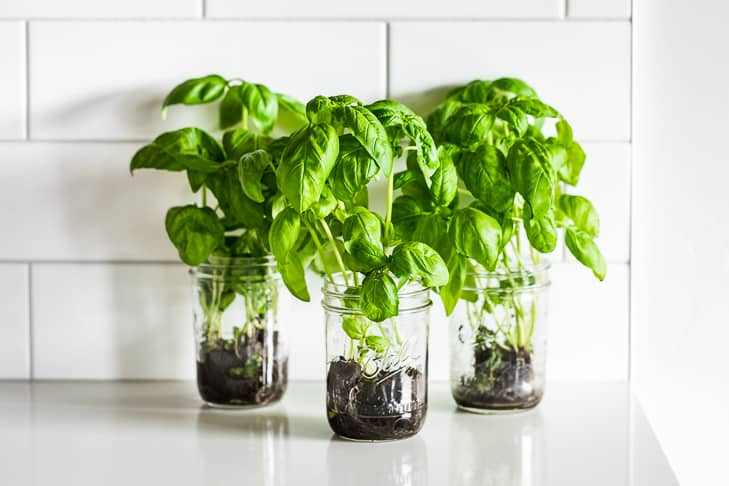
The Ideal Container: While the plastic pots they come in are okay for a short time, they rarely offer the stability or aesthetic appeal needed for long-term enjoyment. Quart-sized mason jars are widely recommended due to their height and clear glass. The height of the jar provides excellent stability, preventing taller herbs like basil from flopping over. Clear containers are also beneficial as they allow you to easily monitor water levels and observe the health of the roots. Other tall, narrow vases or even decorative ceramic pots (without drainage holes, as they'll be in water) can work well.
*
Water Management: The Delicate Balance: This is arguably the most crucial aspect of keeping your herbs alive in water.
*
Root-Only Submersion: The golden rule is to *only cover the roots with water*. If you submerge the stems, they will invariably rot, leading to the rapid death of your plant. Aim for just enough water to keep the root ball wet and happy.
*
Regular Water Changes: Fresh water is vital. Change the water every 2-3 days, or even daily if you notice it becoming cloudy. The frequency might also depend on how much sun your plant gets, as increased warmth can lead to faster evaporation. Using filtered water can also be beneficial, as it removes chlorine and other chemicals that might be present in tap water and could potentially harm delicate root systems.
*
Lighting for Liveliness: Like all plants, living herbs need light, but the right kind and amount are essential.
*
Indirect Light is Key: While a couple of hours of direct sunlight won't hurt and can even be beneficial, exposing your herbs to harsh, direct sun all day, every day, can bleach their leaves. They might still taste fine, but their vibrant green color will fade. Most living herbs thrive in bright, indirect light for the better part of the day. A north-facing window, or a spot on a kitchen counter slightly away from a sunny window, is often ideal.
Mastering the Art of Harvesting for Sustained Growth
The way you harvest your living herbs directly impacts their ability to continue producing fresh leaves for weeks on end. Mindful harvesting is a cornerstone of learning
how to maintain living herbs for the long haul.
*
Avoid Over-Picking: It's tempting to pick generously when you have fresh herbs, but over-harvesting can quickly exhaust your plant. Living herbs, especially when kept in water indoors, grow slower than their garden counterparts. Allow your plants to recuperate for a few days between pickings, giving them time to regenerate. This is particularly true for fast-growing herbs like basil, which can be "tapped out" if you're too eager. For more detailed advice on sustainable harvesting,
Unlock Freshness: 9 Expert Tips for Thriving Living Herbs provides excellent guidance.
*
The "Two New Leaves" Rule: This simple yet effective technique encourages branching and a fuller, bushier plant. When you're ready to harvest, always trim back to just above where two new leaves are starting to emerge from the main stem. This strategic cut stimulates new growth from those nodes, encouraging the plant to branch out rather than just growing taller. This practice significantly increases your overall yield and the plant's lifespan.
*
Rotate Your Harvest: Instead of repeatedly picking from the same spot, rotate your harvest around the plant. This distributes the stress of picking and encourages balanced growth.
Extending Beyond Water: Planting Your Living Herbs
While keeping herbs in water is incredibly convenient and effective for several weeks or even months, there will come a point where their growth in water alone begins to wane. For those looking for an even more permanent solution, planting your living herbs in soil is an excellent option that can extend their life indefinitely. This is a powerful step for those truly committed to understanding
how to maintain living herbs long-term.
*
When to Plant: Once your herb has developed a healthy root system in water and you've enjoyed several harvests, it might be ready for soil. If you notice its growth slowing down significantly or the leaves becoming paler despite proper water and light, it's a good time to consider potting.
*
The Planting Process: Gently transfer your herb from its water container to a pot filled with good quality potting soil. Choose a pot with drainage holes to prevent root rot in soil. Make sure the soil level covers the entire root ball, but avoid burying the lower stems too deeply.
*
Post-Planting Care: Water thoroughly immediately after planting. Place the potted herb in a spot with similar light conditions it enjoyed in water. Gradually introduce it to more direct sunlight if desired, but always monitor for signs of stress. Regular watering (when the top inch of soil feels dry) and occasional feeding with a diluted liquid fertilizer will help it thrive. Many, like my mom, successfully bring basil plants in from their garden in the fall to continue harvesting indoors. For even more ways to extend the life of your produce, consider how you can
Save Money, Reduce Waste: Make Living Herbs Last Longer by integrating these practices.
Troubleshooting and Knowing When to Replenish
Despite your best efforts, living herbs kept in water have a natural lifespan. They are essentially living on stored energy and water, without the full nutrient cycle of soil.
*
Signs of a "Tapped Out" Plant: After a month or more, you might notice your herb looking pale, yellowing, or significantly reducing its production, even with proper care. It may also show signs of stunted growth or weak stems. These are indicators that the plant has exhausted its available resources in the water environment.
*
Time to Replace: When your plant consistently looks unhealthy and isn't responding to care, it's a sign that it's time to purchase a new one. Think of it as a cycle – enjoy your plant for as long as possible, then start fresh with a new, vibrant specimen.
Conclusion
Maintaining living herbs is a rewarding endeavor that offers endless culinary possibilities and significantly reduces kitchen waste. By paying attention to their needs—from careful selection and transport to precise watering, optimal lighting, and strategic harvesting—you can ensure a continuous supply of fresh, flavorful herbs for months. Whether you keep them thriving in water or transition them to soil for even longer life, embracing living herbs is a simple yet impactful step towards a fresher, more sustainable kitchen. Say goodbye to sad, wilted sprigs and hello to the vibrant, aromatic world of continuously fresh herbs!