The Secret to Sustaining Freshness: How to Maintain Living Herbs for Months
There's nothing quite like the vibrant flavor and aroma of fresh herbs to elevate any dish. Yet, for many home cooks, the joy is often short-lived. That store-bought package of basil or cilantro seems to wilt and brown within days, leading to frustrating waste and repeated trips to the grocery store. This common scenario highlights a missed opportunity for both culinary delight and smart savings.
Enter living herbs. These small, potted wonders, often found in the produce section, offer a far more sustainable and economical solution. Instead of pre-cut sprigs that rapidly decline, living herbs come with their roots intact, ready to continue growing. The challenge, however, is knowing how to maintain living herbs beyond a few days. With the right approach, you can transform these fragile seedlings into thriving kitchen companions that provide fresh flavor for weeks, even months. This guide will equip you with the essential tips and tricks to keep your living herbs not just alive, but flourishing.
Why Living Herbs Are a Game Changer for Your Kitchen and Wallet
Before diving into the practicalities of how to maintain living herbs, let's appreciate why they're such a superior choice over their pre-packaged counterparts. Beyond the obvious aesthetic appeal of a miniature herb garden gracing your windowsill, living herbs offer significant advantages:
- Unmatched Freshness: Clipping herbs directly from the plant means you're always getting the freshest possible flavor and aroma, superior to anything that's been packaged and transported.
- Economic Savings: While the initial cost might be slightly higher, the longevity of living herbs makes them far more cost-effective in the long run. Imagine getting 6-8 weeks, or even up to 3 months, of use from a single basil plant compared to discarding a bag every few days. This drastically reduces your grocery bill and food waste.
- Reduced Waste: Directly supporting the "Save Money, Reduce Waste" ethos, living herbs minimize the plastic packaging and spoiled produce that often accompany traditional cut herbs.
- Health Benefits & Ambiance: Many herbs are packed with antioxidants and nutrients. Plus, having living plants indoors can naturally purify the air and add a touch of natural beauty and tranquility to your kitchen space.
- Convenience On Demand: No more last-minute dashes to the store because you're out of dill. Your personal supply is always just a snip away.
Essential Care Principles for Extended Life and Growth
The core of learning how to maintain living herbs lies in understanding their basic needs, which are surprisingly simple once you get the hang of them. By focusing on water, light, and proper housing, you set the stage for sustained growth.
Mastering Hydration: The Delicate Balance of Water
This is arguably the most critical factor. Unlike typical houseplants, living herbs bought from the grocery store are often sold in small, tightly packed pots, and their root systems can be sensitive. They thrive in water, but only specific parts of them:
- Root Submersion Only: When placing your herb in a container of water, ensure that only the roots are submerged. If the stems are left in water for extended periods, they will quickly rot, leading to the plant's demise.
- Regular Water Changes: Depending on the ambient temperature and humidity, you may need to replenish or change the water every 2-3 days. Stagnant water can lead to bacterial growth. Observe the water level; it will deplete faster in warmer, sunnier conditions.
The Ideal Habitat: Choosing Your Herb's Home
The right container can provide crucial support and ensure proper conditions for your herbs:
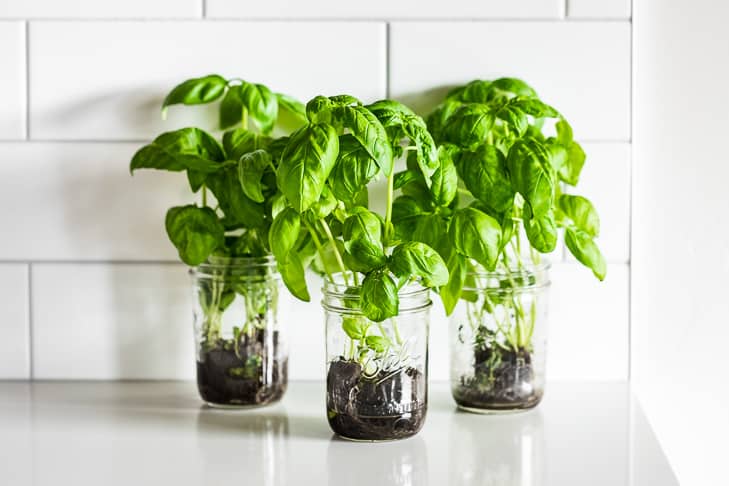
- Stability is Key: Many living herbs, especially basil, come with fairly long, tender stems that can become floppy when left in water. Quart-sized mason jars are often recommended because their height provides excellent stability, keeping the stems upright and preventing them from falling into the water or bending excessively.
- Consider Alternatives: If mason jars aren't handy, look for any tall, narrow vase or glass that can offer similar support. The goal is to keep the majority of the stem above the waterline while securely holding the plant upright. For more container tips, see our guide on Unlock Freshness: 9 Expert Tips for Thriving Living Herbs.
Light Requirements: Finding the Sweet Spot
While garden herbs might love full sun, indoor, water-grown living herbs have slightly different preferences:
- Indirect Brilliance: The sweet spot for most living herbs is bright, indirect light for the better portion of the day. A north or east-facing window is often ideal.
- Avoid Overexposure: A couple of hours of direct morning sun can be beneficial, but prolonged exposure to intense, direct sunlight, especially through a window, can bleach the leaves and stress the plant. While they might still taste fine, their appearance will suffer, and their overall health could decline. Rotate your plants periodically to ensure even light exposure.
Harvesting Smarter for Sustained Growth
One of the biggest mistakes beginners make is over-harvesting. Remember, these aren't mature outdoor plants with robust root systems; they're delicate and need time to recover. Learning the correct harvesting technique is central to how to maintain living herbs for weeks on end.
- Pace Yourself: Resist the urge to strip your herb bare. Taking too many leaves at once, especially from basil, can "tap out" the plant, halting its growth or even killing it. Living herbs grown in water generally grow slower than their garden counterparts, so they need more time to recuperate between pickings.
- Trim Above a Node: For optimal branching and fuller growth, always trim your herbs back to a point just above where two new leaves are starting to emerge (this is called a "node"). This encourages the plant to put energy into growing two new stems from that point, leading to a bushier, more productive plant. Avoid simply plucking individual leaves randomly, as this doesn't encourage new growth as effectively. For a deeper dive into harvesting strategies, check out Keep Living Herbs Fresh for Months: Your Complete Guide.
- Harvest from the Top: For basil, mint, and other herbs that tend to shoot upwards, pinching or trimming from the top encourages sideways growth, making the plant denser and more productive.
The First Crucial Steps: Buying and Transporting Your Herbs
The journey from the grocery store to your kitchen is often overlooked but can be a make-or-break moment for your living herbs. Their delicate nature requires thoughtful handling:
- Gentle Guardianship: Living herbs are surprisingly fragile. At the grocery store, consciously protect them from being squashed by other groceries. Many experienced herb growers recommend carrying them out of the store separately or ensuring they are placed in a dedicated, safe spot in your cart and bag to prevent damage. Crushed or broken stems can significantly hinder a plant's ability to recover and thrive.
- Temperature Sensitivity: Be acutely aware of the outdoor temperature, especially during colder months. Hot-house-grown living herbs are not accustomed to harsh conditions. When temperatures drop below freezing, these delicate plants might not even survive the short trip from the store to your car, let alone a longer journey home. Protect them by wrapping them in newspaper, a cloth bag, or placing them inside an insulated carrier to shield them from extreme cold.
- Inspect Before You Buy: Always choose plants that look vibrant, healthy, and free from brown or yellowing leaves, pests, or signs of stress. A strong start gives you the best chance of success.
Knowing When to Transition or Replenish
Even with the best care, living herbs kept solely in water have a natural lifespan. They are essentially living on stored energy and limited nutrients. However, you do have options to extend their life further or know when it's time for a new plant.
- Signs of Exhaustion: After a month or more, you'll likely notice your herb plant looking paler, growing more slowly, and producing fewer new leaves. This indicates it's becoming "tapped out." While still providing fresh sprigs, its vigor will diminish. At this point, it's time to consider its next step.
- The Potting Option: Many living herbs, especially basil, mint, rosemary, and thyme, can be successfully transitioned from water to potting soil. This is an excellent way to give them a second life and allow them to grow into much larger, more robust plants that can last for many more months. To pot them, gently transfer the plant to a small pot with drainage holes, using a good quality potting mix. Water thoroughly and continue to provide indirect light. Your mom's tradition of bringing in garden basil in the fall is a perfect example of how this can work!
- Embrace Replenishment: Sometimes, after giving a plant its best life in water, it simply reaches the end of its useful cycle. Don't be discouraged! View it as a successful run and an opportunity to try a new variety or simply purchase another fresh living herb to begin the cycle anew.
Conclusion
Embracing living herbs is a simple yet powerful way to infuse your cooking with unparalleled freshness while simultaneously embracing a more sustainable, waste-conscious lifestyle. By understanding the core principles of hydration, light management, careful harvesting, and mindful purchasing, you can confidently answer the question of how to maintain living herbs. With these practical tips and a little patience, your kitchen will become a continuous source of aromatic, vibrant herbs, proving that sometimes, the freshest ingredients are just a snip away.
