Unlock Freshness: The Art of Thriving Living Herbs
There's nothing quite like the vibrant aroma and unparalleled flavor of fresh herbs to elevate any culinary creation. For too long, many of us have experienced the frustration of buying a plastic clamshell of basil or cilantro, only for it to wilt and turn brown within days, destined for the compost bin. This cycle of waste and expense can be disheartening, but there’s a better way: living herbs.
Living herbs, often found in the produce section of your local grocery store, are a game-changer for home cooks and green thumbs alike. They offer a sustainable, cost-effective, and incredibly convenient alternative to their pre-cut counterparts. Imagine having a mini-garden of fresh basil, rosemary, thyme, or mint right on your windowsill, ready to snip whenever inspiration strikes. Not only do they provide a continuous supply of flavor, but they also contribute to a healthier indoor environment and add a touch of natural beauty to your home.
While the prospect of keeping living herbs fresh for months might seem daunting at first, especially for those new to indoor gardening, it's far more achievable than you think. With the right knowledge and a few simple techniques, you can transform your kitchen into a thriving herb sanctuary. This comprehensive guide will equip you with expert tips on how to maintain living herbs, ensuring they flourish and provide you with delicious, homegrown goodness for weeks, even months, on end.
Establishing the Perfect Environment for Your Herbs
Before diving into specific care routines, it’s crucial to understand that living herbs, though resilient, thrive best when their fundamental needs are met. Many grocery store herbs have been grown in ideal greenhouse conditions and can be quite delicate when introduced to a new environment. Your first step in learning how to maintain living herbs is to create a welcoming home for them.
Initial Acclimation and Care Upon Arrival
The journey from the grocery store to your home can be stressful for delicate living herbs. They are often grown in controlled environments, making them sensitive to sudden changes in temperature or handling. To give them the best start:
- Guard Against Damage: Living herbs are surprisingly fragile. Always carry them home carefully, ideally in a separate bag or even in your hands. Avoid placing them at the bottom of a heavy grocery cart, where they can be easily crushed. Initial damage can severely impact their ability to recover and thrive.
- Mind the Temperature: Be extra cautious during extreme weather conditions. If it's below freezing outside, these greenhouse-grown plants can suffer irreparable damage on the short trip to your car. Wrap them in paper or a cloth to insulate them. Similarly, avoid leaving them in a scorching hot car in the summer.
Once home, the real journey of learning how to maintain living herbs begins. By paying attention to a few key factors, you can dramatically extend their lifespan and harvest potential.
9 Expert Tips for Sustained Freshness and Growth
1. Master the Art of Watering: Roots Only!
This is perhaps one of the most critical aspects of keeping water-based living herbs alive. When placing your herbs in a container, ensure that only the roots are submerged in water. If the stems remain consistently wet, they will quickly rot, leading to the demise of your plant. Aim for the water level to be just high enough to cover the root ball, leaving the base of the stems dry.
Check the water level every 2-3 days, or even daily, especially if your kitchen is warm or sunny. Replenish as needed. Using filtered water can also be beneficial, as it avoids chlorine and other chemicals that might be present in tap water and can stress sensitive root systems.
2. Provide Stability with the Right Container
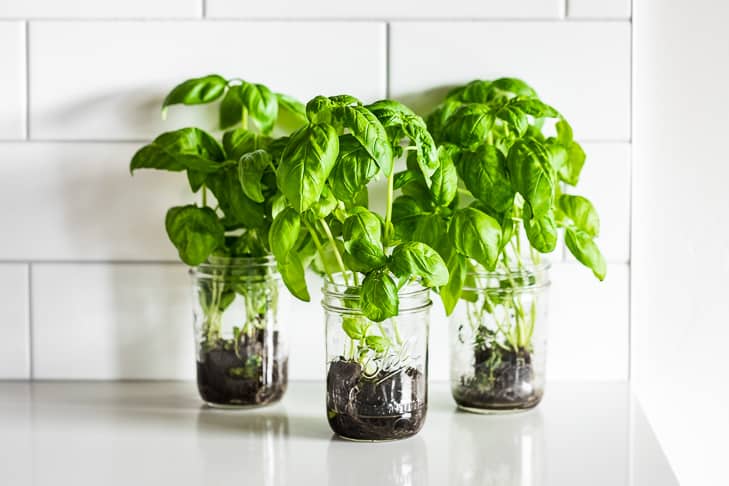
Many living herbs, especially those with longer stems like basil, can be quite floppy and prone to tipping over. This instability not only makes them look sad but can also damage the stems. Tall, narrow containers like quart mason jars are ideal because they provide excellent structural support. Their height keeps the stems upright, preventing them from bending or breaking. If mason jars aren't your style, look for tall, slender vases or dedicated herb keepers that offer similar support.
3. Practice Mindful Harvesting: Don't Be Greedy!
It's tempting to snip a large handful of leaves every time you cook, but over-harvesting is a common mistake that quickly depletes your plant's energy reserves. Remember, indoor living herbs grow slower than their garden counterparts. To ensure longevity, never pick more than one-third of the plant's leaves at a time. Allow your herb to recuperate for several days between pickings. This gives it a chance to photosynthesize and regrow, extending its productive life. This mindful approach not only reduces waste but also helps you save money and make living herbs last longer.
4. Embrace Indirect Sunlight: The Goldilocks Zone
While herbs love light, direct, intense sunlight all day long can be detrimental, especially for those grown in water. Too much sun can bleach their leaves, causing them to turn pale or yellowish. While they might still taste fine, their appearance will suffer, and the plant can become stressed. The sweet spot for living herbs is bright, indirect light for the better part of the day. Place them a few feet back from a south or west-facing window, or directly in an east or north-facing window. If natural light is scarce, a small LED grow light on a timer can provide the necessary illumination without overdoing it.
5. Strategic Pruning for Bushier Growth
Beyond simply picking leaves, strategic pruning is vital for encouraging your herb to branch out and become bushier. When harvesting, always look for a node – the point on the stem where two new leaves or branches are emerging. Trim just above this node, leaving the two new leaves intact. This simple technique stimulates the plant to grow outwards rather than upwards, resulting in a fuller, more productive plant with a greater yield over time. Use clean, sharp scissors or pruners to make a clean cut, minimizing stress on the plant.
6. Know When It's Time to Replenish or Replant
Even with the best care, living herbs kept solely in water have a finite lifespan. They eventually deplete their internal nutrient reserves and may struggle to produce new growth. If your plant has been with you for over a month, looks pale, is no longer producing much, or the stems are becoming woody, it's likely tapped out. Don't be discouraged; this is a natural part of the process. At this point, you have two options: purchase a fresh plant, or consider transitioning it to soil for a more permanent home.
7. The Power of Potting: Transition to Soil
For those looking to extend the life of their living herbs significantly, transferring them to potting soil is an excellent solution. While water cultivation is great for short-term freshness, soil provides the essential nutrients and stability for long-term growth. Many herbs, like basil, rosemary, and mint, thrive when planted in a well-draining pot with good quality potting mix. Gently remove the herb from its water container, being careful not to damage the roots, and plant it at the same depth it was in the water. Water thoroughly after potting. This method allows your herbs to become more robust, offering a much longer harvest period. It’s how many gardeners bring in their favorite herbs from the garden in the fall to enjoy fresh flavors throughout the colder months.
8. Monitor for Pests and Diseases
Indoor environments can sometimes attract common houseplant pests like aphids, spider mites, or fungus gnats. Regularly inspect your living herbs for any signs of trouble, especially on the undersides of leaves. Early detection is key. For minor infestations, a gentle wipe with a damp cloth or a spray of insecticidal soap (diluted according to instructions) can often resolve the issue. Good air circulation also helps deter many pests and fungal diseases.
9. Consider Supplemental Nutrients for Long-Term Water Growth
While soil provides nutrients naturally, if you're committed to keeping your herbs in water for an extended period, they will eventually need more than just H2O. After a few weeks, consider adding a very diluted liquid plant food specifically formulated for herbs or houseplants. Use it sparingly – perhaps at a quarter of the recommended strength – once every few weeks when you change the water. This can give your struggling herbs a much-needed boost and prolong their vitality in a water-based system.
Embrace the Freshness!
Mastering how to maintain living herbs is a rewarding endeavor that brings continuous freshness and flavor to your cooking, reduces food waste, and adds natural beauty to your home. By understanding their needs, providing proper care, and being mindful of your harvesting techniques, you can enjoy these vibrant plants for much longer than a few days. From protecting them on the journey home to providing the right light and knowing when to prune or replant, each step contributes to a thriving herb garden in your kitchen. So go ahead, unlock the potential of living herbs, and savor the satisfaction of having fresh, homegrown ingredients always at your fingertips.
